

Topo Mole Game has transformed a lot since it first appeared https://topomole.eu.com/. This evolution shows how classic arcade games can remain relevant by adapting over time. The main idea, whacking moles as they appear, is unchanged. But the game has been improved, broadened, and influenced by what players desire. From the original launch to the current edition, each update expanded on the last one to make playing better, implement new mechanics, and make sure it operates on current platforms. This version history is not just a technical log. It is a story of how a simple genre maintains player interest by mixing old fun with new features. The game’s development path offers insights for players who value its depth and for developers examining how to preserve interest long-term.
The Genesis: Setting the Foundation
When Topo Mole Game was released, it set the basic gameplay that defines it. This early version centered on core mechanics: responsive mole whacking, a simple scoring system, and speed that ramped up as you played. The visuals were sharp and utilitarian, designed to give clear feedback for player actions. Developers worked on creating a seamless, addictive loop where every successful hit felt gratifying. This phase was essential for testing the fundamental physics and timing, making sure the game was equitable and enjoyable, not frustrating. Player feedback from this stage was vital. It underscored the joy of the mechanic and identified areas for future growth. The team focused on perfecting the feel of the impact and the whimsical mole animations, knowing these details were essential for immediate appeal. This first version acted as a proof of concept, showing that a well-made digital take on the classic arcade game could shine in a crowded mobile and online market.
Gameplay Mechanics: From Simple to Tactical

The core loop of bashing moles is always key, but the elements around it have evolved. At first, tactics was basic: strike moles as rapidly as feasible. The introduction of chain multipliers, where consecutive hits without error boosted score, added a trade-off dynamic, encouraging precision over random clicking. Varied game modes required players to use different strategies. A mode dedicated to a one mole variety required deep concentration, while a mode featuring boost moles demanded goal selection. Unlockable tools with minor stat differences or aesthetic appeal gave extended aims and enabled slight tailoring of playing style. These layered mechanics meant expertise was a many-sided endeavor, drawing in relaxed gamers wanting simple fun and serious users striving to optimize their results on the leaderboards.
Visual and Aural Evolution
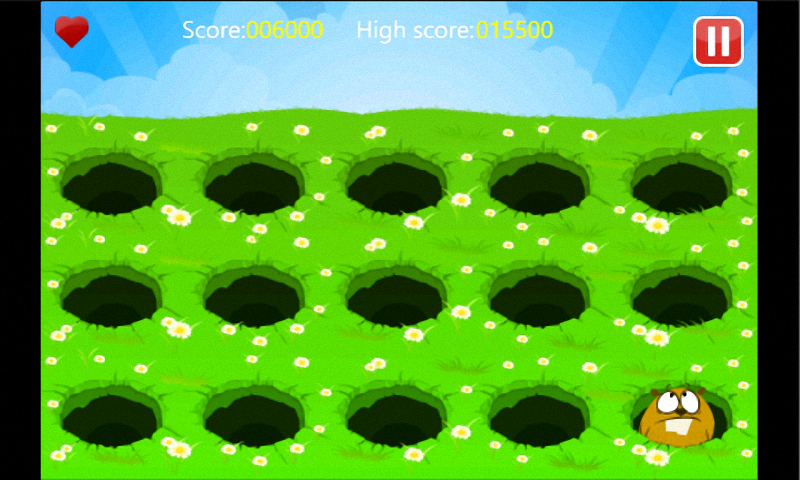
The look and sound of Topo Mole Game have transformed since its clean, functional start. Early graphics were minimalist, focusing on clarity so players could easily monitor fast-moving targets. Later updates brought richer textures, more detailed mole designs with comical animations, and intricate, thematic backgrounds that changed between levels or modes. The audio changed too. The simple bonk sound effect from the early days was accompanied by a variety of pleasing whacks, peculiar mole vocalizations, and celebratory music for high scores. A dynamic, lighthearted soundtrack was added, its tempo often rising subtly with the game’s pace to amplify tension. This dedication to audiovisual polish made the game more delightful and immersive, turning each session from just a reflex test into a sensory delight. The consistent visual identity through these changes ensured the game stayed identifiable while feeling more premium and compelling over time.
Major Milestones: Defining Updates
After the base game was set, several major updates introduced aspects that vastly improved the Topo Mole Game adventure. A notable milestone involved introducing different game modes, transcending a basic endless arcade style. These comprised time-based challenges, accuracy-based modes where only certain moles mattered, and endurance modes with distinct rules. Another major update involved implementing a power-up system. Power-ups such as temporary score multipliers, zone-of-effect hammers, and speed enhancements added a strategic layer, allowing players to customize their strategy for various goals. The addition of global rankings transformed the game from a solo activity into a competitive arena, building community and motivating players to enhance their scores. Significant updates also frequently included visual revamps, with better animations, more detailed environments, and deeper colors, making the game more dynamic and immersive with each version.
Major Feature Rollouts
New elements were not implemented arbitrarily. Each feature sought to fulfill player needs and prolong the game’s lasting appeal. The power-up system, for example, was calibrated to be effective without being a dependency, rewarding adept play and precise timing. Novel mole varieties with distinct behaviors, such as moles requiring several hits, moles that deducted points, or beneficial moles that granted bonuses, introduced complexity and required quicker choices from players.
The Advent of Special Moles and Events
Unique moles and time-limited events represented a major advancement. These were not merely aesthetic. They introduced new ways to play. Event moles were often associated with seasonal concepts, bearing exclusive rewards and emerging in new patterns. This kept content fresh for returning players and offered them a convincing motive to visit often. The positive response to these events showed the value of a dynamic, changing game world, leading to a more structured live-ops strategy in the development cycle.
Player Input and Iterative Development
Player feedback has significantly shaped Topo Mole Game’s evolution. Developers regularly monitor feedback channels, app store reviews, and social media discussions to detect pain points and popular requests. This iterative approach resulted in many quality-of-life features, like adjustable hammer sensitivity controls, more granular graphics settings for different devices, and the ability to mute specific sound effects, came directly from user input. Balancing changes to mole speeds or power-up durations were often tested and refined based on community sentiment and performance data. This collaborative process fostered a strong sense of ownership among players, as they saw their suggestions lead to tangible improvements. It turned the development roadmap from a closed, internal document into a living process guided by the people who enjoy the game most, ensuring its evolution stayed relevant and player-centric.
Technical Advancements and System Reliability
Under the hood, significant technical work guarantees Topo Mole Game keeps reliable, safe, and efficient across various platforms. Early updates refined code to minimize load times and remove lag during heavy gameplay. This is critical for a timing-based game. As mobile operating systems and web browsers evolved, the game received compatibility overhauls to handle new APIs and security protocols. Cloud save functionality was a significant technical milestone, enabling players to switch devices without sacrificing progress. The backend infrastructure for leaderboards and event systems has been consistently upgraded to handle peak traffic and block cheating, guaranteeing a balanced competitive environment. These internal advancements, though not as apparent, are fundamental to offering the smooth, reliable experience that ensures the game played and enjoyed long-term.
The Present Situation and What Lies Ahead
Today’s Topo Mole Game represents the peak of years of progressive refinement, community collaboration, and technical refinement. It serves as a comprehensive, finished product that respects its arcade roots while providing modern depth through its many playstyles, customization options, and tournament structures. The game is now in a condition of solid reliability, with a proven content cycle of seasonal events and updates that preserve the experience fresh. Moving ahead, the trajectory indicates a persistent dedication on live service elements. This might involve more social features, collaborative events, or expanded multi-platform support. The design approach remains rooted in the tenets established throughout its history: heeding player feedback, refining the core, and adopting new technology. As the gaming landscape evolves, the lasting charm of a well-crafted mole-whacking challenge, with its careful progression, appears ready to delight for many versions to come.